Aug. 04, 2026
In the realm of glass manufacturing, soda ash (sodium carbonate) stands out as a critical ingredient, pivotal not only for its cost-effectiveness but also for the quality it brings to glass products. Users often seek reliable soda ash manufacturers to address issues such as batch consistency and material durability. When faced with challenges like achieving optimal melting temperatures and enhancing glass clarity, the need to understand soda ash\'s role becomes essential. Whether you’re a small artisan glassblower or a large-scale glass production facility, leveraging soda ash can significantly influence your end product’s performance.
Producing glass with soda ash involves a clear, methodical approach. Here’s a detailed guide:
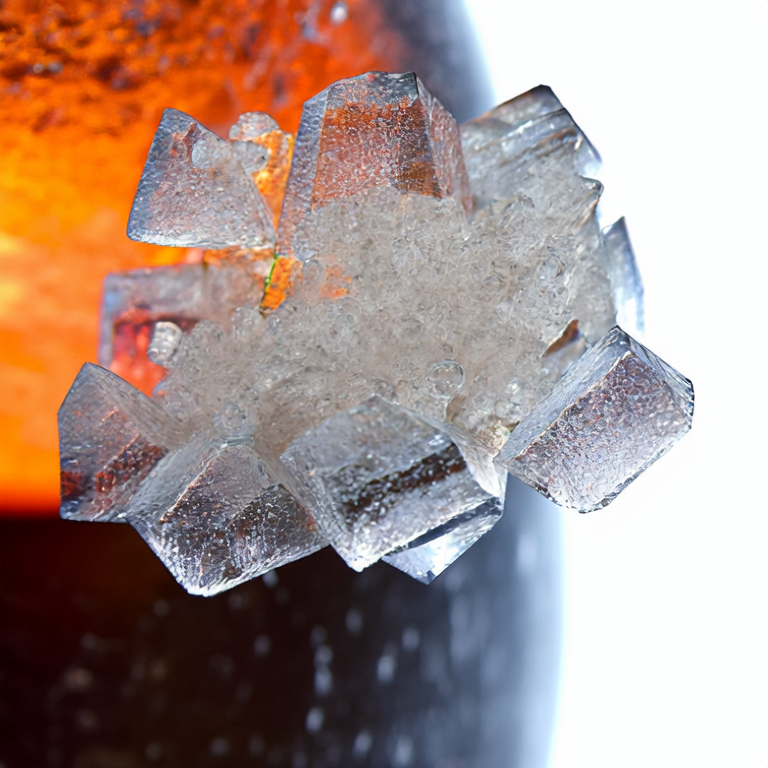
Using soda ash in glass production is not merely a cost-cutting strategy; it’s an essential component that directly influences the quality and performance of the final product. Manufacturers can greatly benefit from optimized ratios and thorough comprehension of the melting process. For best results, always choose reliable suppliers like Yftdss to ensure quality assurance. Regularly revisit and refine your processes based on feedback and production outcomes. This will aid in achieving consistent, high-quality glass while minimizing waste.
Soda ash lowers the melting point of silica, making the melting process more efficient and reducing energy costs. It also helps in enhancing the clarity and quality of the glass.
When properly mixed, soda ash contributes to the overall composition of the glass, improving its resistance to thermal and mechanical stress.
It is advisable to use soda ash that meets industrial standards to ensure the quality of the glass, like the products offered by Yftdss.
Related News
Coping Strategies for Foreign Trade Companies in a Complex and Ever-Changing International Situation
Sep. 25, 2025
Domestic Requirement for Fluorspar
Oct. 02, 2025
Participating in the 2025 18th (Shanghai) International Titanium Industry Exhibition
Oct. 09, 2025
Determining Reactivity of Magnesia
Jan. 14, 2026
Global Soda Ash Market Shows Robust Growth Amid Rising Industrial Demand
Feb. 20, 2026
Sodium Chloride: Essential Commodity for Industry and Business
Mar. 02, 2026
Contact Us
Phone / WeChat :
+86 187 4165 1985
WhatsApp :
E-mail :
Add :
No.1-26-7, No.73, Xinggong North Street, Tiexi District, Shenyang City, Liaoning Province, China
Qr Code
Qr Code


Company


